In this article, we'll break down the essential air compressor components and have a look at what each component does. Each part of your air compressor has a specific function and contributes to the overall performance and efficiency of the equipment.
An air compressor is a complex system made up of multiple interdependent components. Each part plays a critical role in the machine’s performance, reliability, and efficiency. In this article, we’ll explore the core air compressor components and highlight their individual functions. We’ll also touch on the essential replacement parts needed for long-term operation.
Understanding how each component functions will help you maintain your compressor and ensure consistent performance over time.
Motor
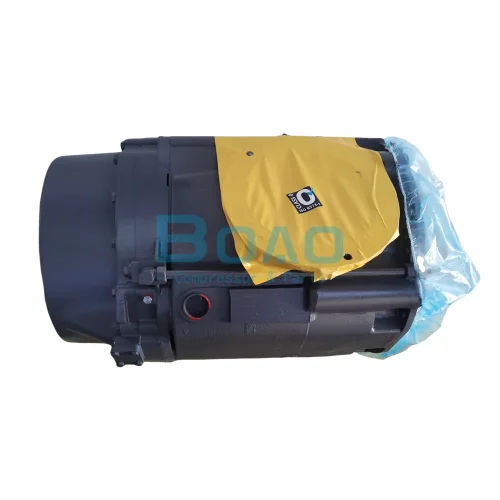
The motor serves as the powerhouse of the air compressor. It converts electrical energy into mechanical energy to drive the compression process.
Compression Element
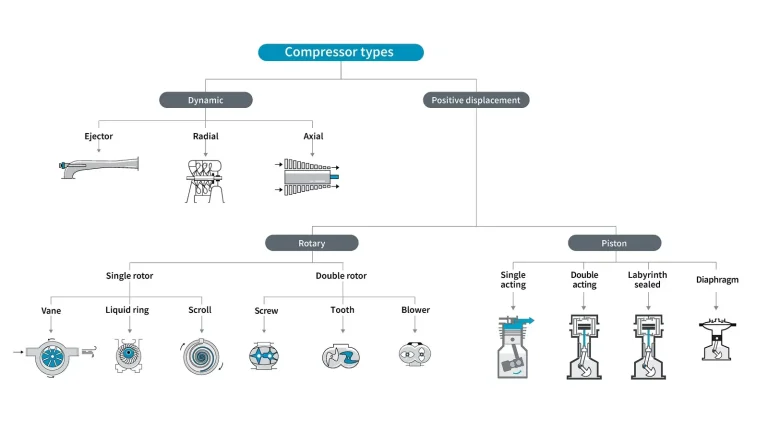
This is the heart of the compressor where air is actually compressed. Depending on the design, this could be a piston, screw, scroll, or vane. Its efficiency directly affects the overall performance of the machine.
Air Receiver (Storage Tank)
The air receiver stores compressed air and helps regulate pressure fluctuations. In oil-injected systems, it also serves as a primary point for air-oil separation.
Pressure Switch
This component monitors the pressure inside the tank. It automatically activates or deactivates the compressor to maintain the desired pressure range.
Intake Valve
The intake valve manages the airflow into the compression chamber. It stays closed during the unload phase and opens when the unit is in load mode.
Discharge Valve
Once the air is compressed and stored, the discharge valve releases it into the downstream system for use in your application.
Check Valve (Non-return Valve)
This valve prevents backflow. When the compressor stops, it ensures that air pressure is retained within the system without leaking back into the unit.
Air Filter
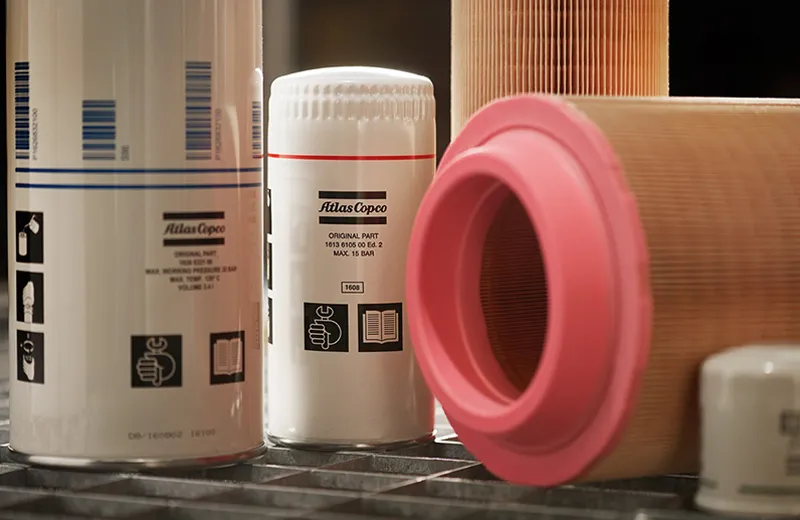
Located at the air intake, this air filter removes dust and other contaminants from incoming air to protect the internal components of the compressor.
Oil Filter
In oil-injected compressors, the oil filter cleans the circulating oil to prevent damage to bearings and rotating parts.
Regulation System
This system lets you control and stabilize the output pressure from the air receiver. It ensures safe operation and consistent airflow.
Lubrication System
Crucial for oil-lubricated units, the lubrication system minimizes friction and wear by keeping internal components properly oiled.
Oil Separator
For oil-injected compressors, this component separates oil from the compressed air before it exits the machine. It’s usually located inside the separator tank.
Water Separator
Condensed water is a byproduct of compressed air. The water separator removes moisture to improve air quality and prevent corrosion in downstream tools and equipment.
Cooling System
This system manages the compressor’s temperature during operation, preventing overheating and extending component life.
Control and Monitoring System
Modern compressors are equipped with digital or analog control panels that display performance data, issue alerts, and allow for real-time adjustments.
Air Compressor Parts
Replacement Air Compressor Parts You’ll Need
Routine maintenance involves replacing certain parts to keep your compressor running efficiently. Here’s what you should keep an eye on:
Filters and Separators
Contaminants such as dust and oil can damage the compression element and reduce performance. High-efficiency filters from trusted brands like Atlas Copco are built to handle high pressure and offer long service life due to their superior dirt-holding capacity and thermal stability.
Line Filter Cartridges
These ISO-certified components ensure clean compressed air by trapping contaminants before they reach the point of use. Atlas Copco line filters are engineered for minimal pressure drop, low energy consumption, and extended lifespan.
Oil, Lubricants, and Fluids
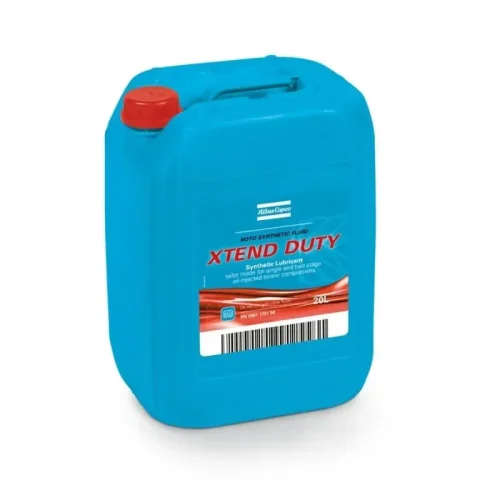
Using the wrong type of oil can lead to poor lubrication, corrosion, and even premature equipment failure. Atlas Copco lubricants are designed specifically for compressors, with additives that resist oxidation, prevent foaming, and enhance air/oil separation — all while improving the purity of your compressed air.
Conclusion
Every component in an air compressor contributes to the overall system’s functionality and efficiency. Whether it’s the motor, pressure switch, or oil separator, understanding these parts can help you troubleshoot issues and schedule maintenance more effectively.
To ensure optimal performance and longevity, always choose genuine, high-quality replacement parts and lubricants — especially when operating industrial-grade equipment like Atlas Copco air compressors. Regular maintenance and timely part replacement are the best ways to safeguard your investment and keep your operations running smoothly.




ByBOAO